
New car, truck, motorcycle, 4x4, boating, golf carts & leisure batteries. Improved performance reconditioned batteries with a 12 month guarantee. We can save you up to 50% on your fleet battery expenses. Free alternator test. Free battery test. Free fitment.

We provide many battery related services.
Free
fREE
free
from
R 500
POA
POA
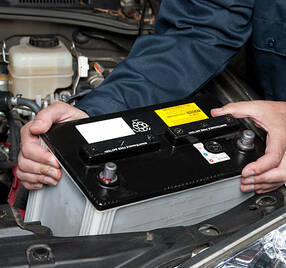
| automotive battery The purpose of the battery is to supply the necessary current to the starter motor and the ignition system while cranking to start the engine. It also supplies additional current when the demand is higher than the alternator can supply and acts as an electrical reservoir. |

| leisure battery A leisure battery has two functions to perform. First, it provides 12-volt power when no mains hook-up is available. Second, it acts as a reservoir, smoothing out the peaks and troughs on the caravan’s 12-volt power supply/charger system |
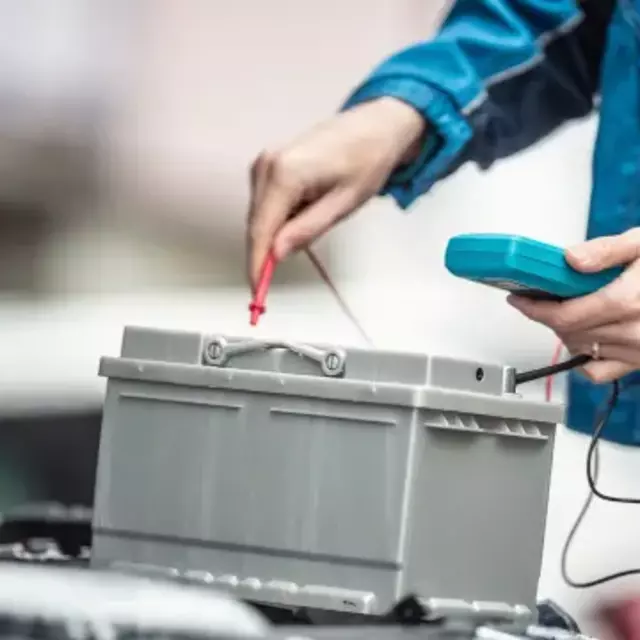
| Deep cycle battery A deep-cycle battery is a lead-acid battery designed to be regularly deeply discharged using most of its capacity. In contrast, starter batteries (e.g. most automotive batteries) are designed to deliver short, high-current bursts for cranking the engine, thus frequently discharging only a small part of their capacity. |
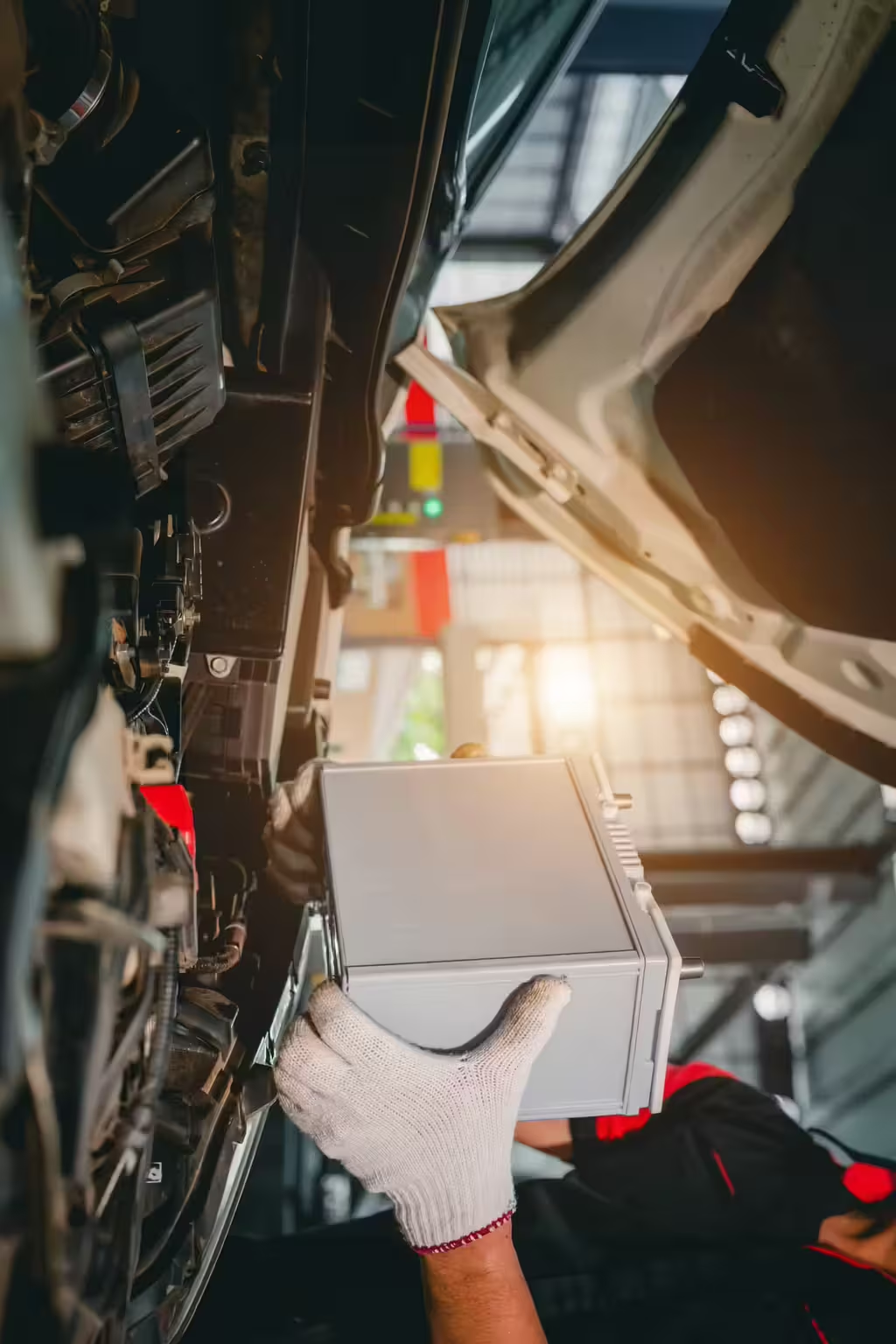
The battery, or more accurately, the “STORAGE BATTERY” is an electrochemical device. It stores chemical energy, which is released as electrical energy when connected to an external load such as the vehicle’s starter motor or lighting system.
In order to keep the battery in good working order it has to be kept fully charged by the vehicle’s alternator or generator. Batteries used in other applications such as caravans or burglar alarms are charged by means of an independent charger, which supplies direct current to the battery through rectification. It is also necessary, from time to time, to charge motor vehicle batteries which have become discharged due to faulty alternators or charging systems by this means.
The electrolyte levels of the battery should be checked regularly. These should be corrected to the level indicated or 10-15 mm above the plates, which are visible through the vents. Only approved water (distilled or deionized) must be added. Sulphuric acid should be added where electrolyte has been lost due to spillage or over topping. Energizer Batteries should be consulted where this is required.
The charge rate on most vehicles is between 13.8 and 14.2 volts. The voltage can only be tested with a fully charged battery in the vehicle. More comprehensive testing should be referred to Energizer Batteries.
Battery testing is usually carried out by means of a hydrometer, which is used to determine the specific gravity (S.G.) of the electrolyte. The S.G’s indicate the state of charge of the individual cells of the battery. As a battery discharges the S.G. decreases.
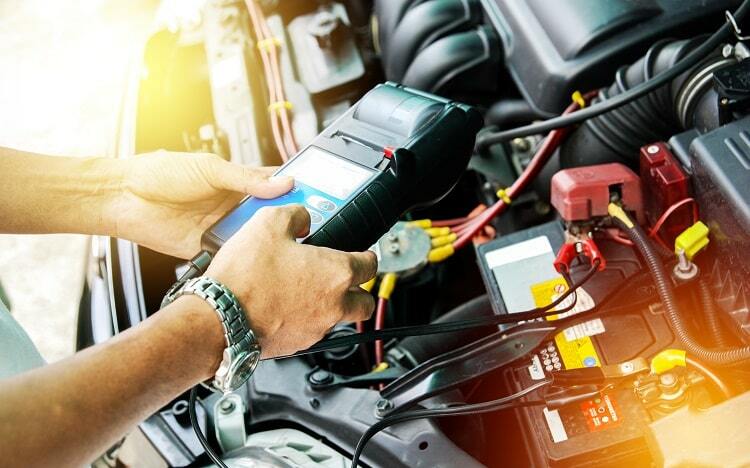
Hydrometer testing can be accompanied by load testing. This is performed by means of a test instrument fitted with volt and ampere meters, which indicate the battery voltage and current draw of the battery under load. The load tester basically simulates the current draw applied to the battery when cranking the vehicle’s engine.
The charging of batteries out of the vehicle is recommended to fully restore batteries that have become discharged due to faulty electrical systems and to correctly charge them for testing. Batteries used for caravans or as portable power supplies do not always have built in charging facilities and also require regular independent charging.
A battery should never be stored in a discharged condition as this leads to permanent sulphation. Caravan and boating batteries should be recharged before being stored for a period, a fresh charge should be given approximately every 12 weeks and before using again.